
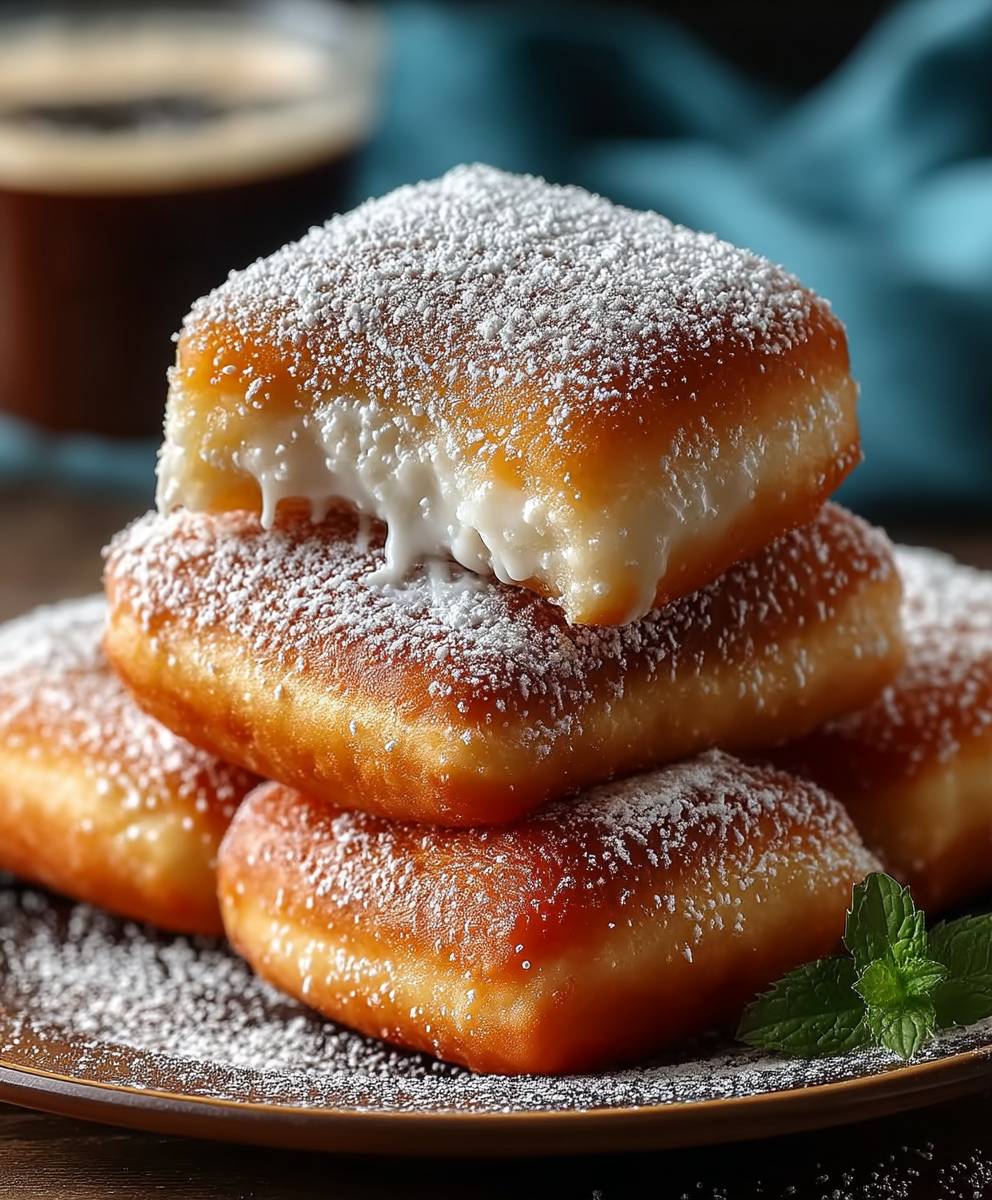

Forget the alarm clock; the smell of frying dough is the only wake-up call you need. Get ready toMake Amazing Vanilla French Beignets For Breakfast, because life is truly too short for boring toast.
These cloud-like pastries, dusted heavily with powdered sugar, are guaranteed to transform any mundane morning into a celebration. Prepare for the delightful mess!
- Surprisingly simple yeast dough that transforms into airy, golden squares with minimal fuss, perfect even for novice bakers.
- Infused with fragrant vanilla bean paste, offering a luxurious, warm flavor profile far beyond standard powdered sugar doughnuts.
- Watch them puff dramatically when frying, resulting in beautiful, cloud-like pastries ready for a generous dusting of sugar.
- Ideal as a decadent breakfast, a holiday brunch centerpiece, or a light, elegant dessert served perfectly alongside coffee or tea.
The Culinary History of Puffy Perfection
There is a unique magic that happens when warm, yeasted dough hits hot oil. It’s a transformation so dramatic it feels theatrical, changing from a dense disc into a magnificent, airy cushion right before your eyes. While many people associate these glorious puffs with early mornings in New Orleans, the concept of the fried dough pastry is deeply rooted in classic French cuisine.
My first experience with a beignet wasn’t in a famous café; it was at a small, slightly chaotic family gathering where my elderly relative, whom we affectionately called “Auntie Pouf,” decided that breakfast needed an upgrade. She arrived wearing an apron that looked suspiciously like a powdered sugar accident waiting to happen, armed with a giant, sticky mixing bowl. The resulting beignets were uneven, gloriously greasy, and so profoundly delicious they single-handedly ruined my appreciation for every boxed doughnut mix forever after.
Auntie Pouf’s secret? Patience with the yeast and an absolutely fearless approach to frying. This recipe takes that old-world fearlessness and pairs it with the smooth sophistication of pure vanilla, resulting in a batch of French doughnuts that are light, subtly fragrant, and addictively good. We are here not just to replicate a recipe, but to create an experience—one where the sound of crackling oil signals the start of something magnificent. Get ready to accept that you and your kitchen will be coated in a fine, snowy layer of powdered sugar for the rest of the day, and embrace the joy of it.
Why Vanilla Elevates the Experience
The standard beignet relies heavily on the quality of the frying and the amount of powdered sugar applied post-fry. But when youMake Amazing Vanilla French Beignets For Breakfast, you introduce a layer of aromatic complexity right into the dough itself. Skipping plain extract in favor of vanilla bean paste or high-quality liquid vanilla not only intensifies the flavor but also adds tiny, beautiful specks of the bean throughout the final product.
Vanilla acts as a wonderful supporting actor, enhancing the rich, slightly nutty flavor of the fried dough without overpowering it. It provides a warm, comforting aroma that perfectly complements a hot cup of coffee or a chicory beverage. This small ingredient upgrade is what takes your breakfast from “good morning” to “this is why I woke up today.” Remember, use pure vanilla products; the imitation stuff simply cannot deliver the depth required for this sophisticated yet simple pastry.
Mastering the Dough: Secrets to an Airy Rise
Making yeast dough can sometimes feel like performing delicate surgery, but rest assured, the beignet dough is surprisingly forgiving. The key to that signature pillowy texture lies in treating the yeast right. Think of yeast as tiny, hungry pets—they need warmth, food (sugar), and hydration to wake up and perform their puffing duties. If the liquid is too hot, you will eliminate them entirely. If it is too cold, they will stage a slow, unproductive rebellion.
Start by ensuring your milk is comfortably lukewarm, ideally between 105°F and 115°F (40°C–46°C). This is the sweet spot where the yeast thrives. Once activated, the dough requires a sufficient kneading time. Kneading develops the gluten structure, which traps the gases produced by the yeast, resulting in those glorious air pockets that inflate so wonderfully in the hot oil. Knead until the dough is smooth, elastic, and pulls away cleanly from the sides of the bowl. If you are using a stand mixer, this usually takes about five to eight minutes on medium-low speed.
The Critical First Proof
The first proof is not just a resting period; it is the fundamental building block of airiness. Place your newly kneaded dough in a lightly oiled bowl, turn it once to coat, and cover it tightly with plastic wrap or a clean kitchen towel. The ideal environment for proofing is warm and draft-free. On a cool day, I often use a warm oven (turned off, but with the light on) or a sunny windowsill.
You are looking for the dough to double in size, which typically takes between one and a half to two hours, depending on the ambient temperature. When it is ready, the dough should feel bouncy. You can test it by gently pressing two fingers into the surface; if the indentations slowly spring back but do not disappear entirely, it is perfectly proofed. If it springs back immediately, it needs more time. If it collapses entirely, it was likely over-proofed and you may need to start over, but don’t panic—this rarely happens!
Ingredients for Make Amazing Vanilla French Beignets For Breakfast
Here’s what you’ll need to make this delicious dish:
- All-Purpose FlourUse a reliable brand for consistent texture and volume; it forms the main structure of the beignet.
- Active Dry YeastEssential for leavening, ensuring the dough rises and develops its signature airy structure.
- Milk (Dairy or Non-Dairy)Provides hydration and richness; ensure it is warmed to the correct temperature for activating the yeast.
- Granulated SugarFeeds the yeast and adds subtle sweetness to balance the richness of the fried dough.
- EggsActs as a binder and contributes richness and softness to the final pastry texture.
- Unsalted ButterShould be melted and slightly cooled; adds flavor and helps tenderize the dough.
- Vanilla Bean Paste or ExtractThe core flavoring agent, lending a deep, fragrant aroma to the beignets.
- SaltCrucial for balancing the flavors and controlling the yeast activity during proofing.
- Vegetable Oil or Canola OilUsed for frying; select a neutral oil with a high smoke point for best results.
- Powdered SugarUsed generously for dusting the finished hot beignets, giving them their characteristic snowy appearance.
The full ingredients list, including measurements, is provided in the recipe card directly below.
Frying Technique: Achieving the Golden Cloud
Frying can intimidate novice cooks, but it is the most critical step in creating light, successful beignets. The dough needs to shock when it hits the hot oil, causing the trapped air inside to expand rapidly, resulting in the huge, hollow puffs we desire. If the oil is not hot enough, the dough will simply absorb the fat and become greasy and heavy—a tragic outcome.
Use a deep, heavy-bottomed pot or Dutch oven, as this retains heat well and prevents rapid temperature drops when adding the cold dough. Never fill the pot more than halfway with oil to prevent boil-overs. Once you have rolled and cut your beignets (aim for squares or rectangles about 2-3 inches wide), let them rest for a final quick proof (about 15 minutes) while the oil heats up. This last rest is the secret third rise that ensures maximum puffiness in the fryer.
Only fry a few pieces at a time. Overcrowding the pot significantly lowers the oil temperature, leading to that dreaded greasy result. They cook quickly, typically needing only one to two minutes per side until they reach a gorgeous, deep golden brown. Use a slotted spoon or spider to carefully remove them and immediately transfer them to a paper towel-lined tray to drain excess oil.
Temperature Control is Non-Negotiable
I cannot stress this enough: frying requires a thermometer. Guessing the temperature is a fast track to disappointment. The ideal temperature for frying beignets is precisely 350°F (175°C). Use a deep-fry or candy thermometer clipped securely to the side of the pot.
Monitor the thermometer constantly. If the temperature dips too low after you add the dough, wait a moment before adding the next piece. If the temperature starts to creep too high, lower the heat slightly, or momentarily remove the pot from the heat source. Maintaining that 350°F sweet spot is the only way to ensure your pastries cook evenly inside while achieving that perfect crisp, golden exterior.
How to Make Make Amazing Vanilla French Beignets For Breakfast
Follow these simple steps to prepare this delicious dish:
Step 1: Activating the Yeast and Preparing the Base
In a large bowl, or the bowl of a stand mixer fitted with a dough hook, gently whisk the warm milk (105°F–115°F), sugar, and yeast together. Let this mixture stand for about five to ten minutes until it becomes foamy and frothy, indicating the yeast is active and happy. Once foamy, stir in the slightly cooled melted butter, eggs, vanilla bean paste, and salt until they are well combined.
Step 2: Mixing and Kneading the Dough
Gradually add the flour, mixing on low speed until a shaggy dough forms. Increase the speed to medium-low and knead for seven to eight minutes. The dough should be smooth, elastic, and slightly tacky but should not stick heavily to the sides of the bowl. If mixing by hand, knead vigorously on a lightly floured surface for ten minutes.
Step 3: The Proofing Process
Place the dough in a large, lightly oiled bowl, turning once to coat. Cover the bowl with plastic wrap and set it aside in a warm, draft-free place to rise. Allow the dough to proof until it has doubled in size, which typically takes between 90 minutes and two hours. Punch down the dough gently to release the air and let it rest for another 15 minutes.
Step 4: Rolling, Cutting, and Final Rest
On a lightly floured surface, roll the dough out evenly to a thickness of about a quarter inch. Using a pizza cutter or sharp knife, cut the dough into 2-inch squares or rectangles. Place the cut pieces onto a sheet of parchment paper and allow them to rest for a final 15 minutes while the oil heats.
Step 5: Frying the Beignets
Heat your neutral oil in a deep pot to precisely 350°F (175°C). Carefully drop three to four beignet squares into the hot oil, ensuring not to overcrowd the pot. Fry for one to two minutes per side until they are puffy and beautifully golden brown. Use a spider or slotted spoon to transfer the fried beignets immediately to a paper towel-lined tray to drain.
Step 6: Dusting and Serving
While the beignets are still hot, transfer them to a clean plate or bowl. Sift a very generous amount of powdered sugar over the top, coating every surface. Transfer to plates and drizzle with extra maple syrup or serve alongside strong coffee for the perfect finishing touch.
The Accidental Discovery of Sunshine on a Plate
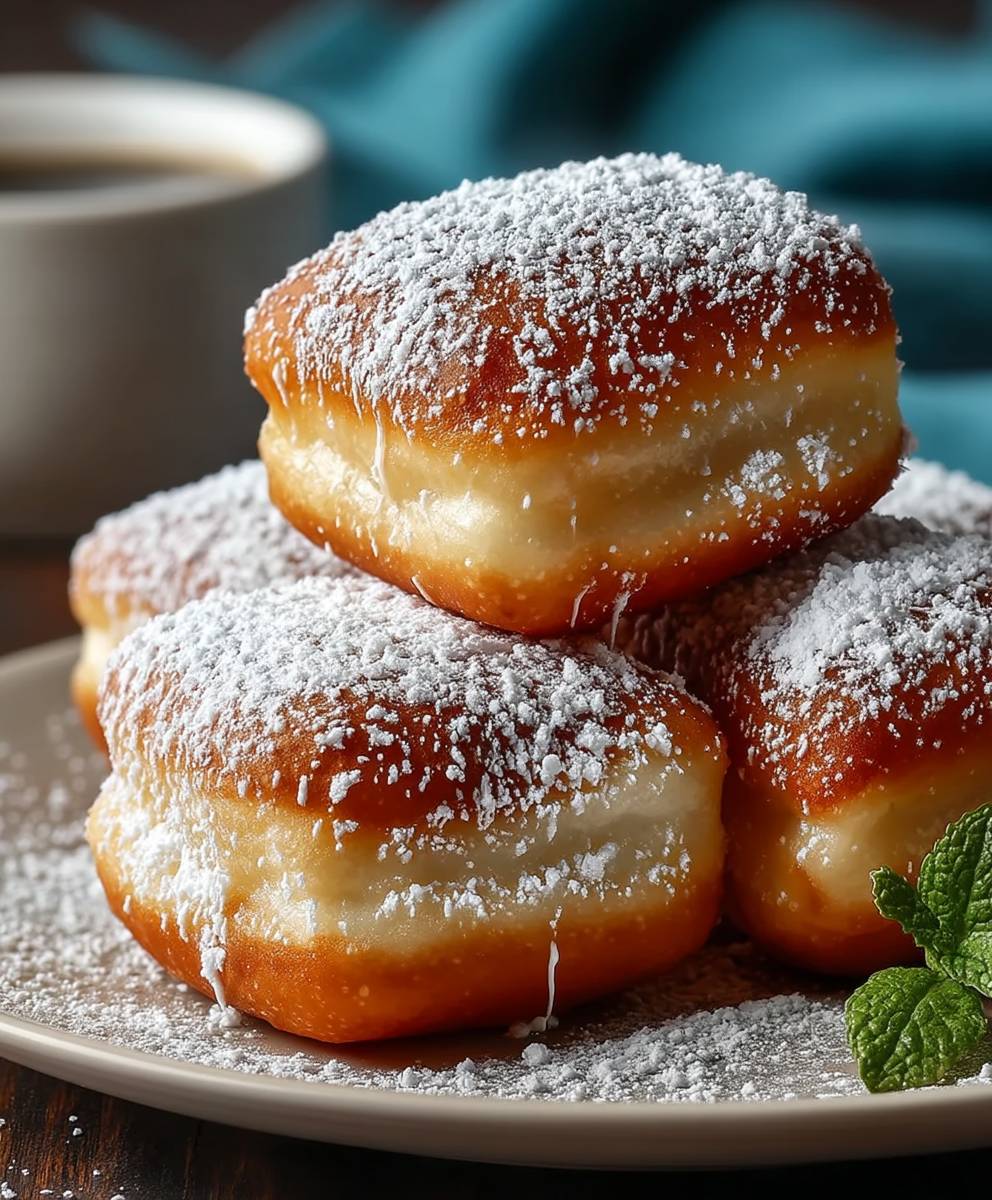
I stumbled upon this recipe one rainy Saturday when my craving for something deep-fried and dusted with joy hit hard. My fridge was tragically empty, save for basic pantry staples, but that constraint led me to create these fluffy, cloud-like pastries that truly make amazing vanilla French beignets for breakfast. It was pure, doughy serendipity.
The Quest for the Perfect Puffy Cloud
There is a sacred hierarchy of breakfast foods, and somewhere near the top, above the humble oatmeal and the slightly suspicious freezer waffle, sits the beignet. Not just any beignet—the kind that makes you forget your morning alarm clock and the pile of dishes waiting in the sink. The kind that requires immediate, full attention and a generous dusting of powdered sugar that guarantees a small avalanche down your shirt front. That’s the sign of a successful morning treat, by the way. If you don’t look like you’ve been caught in a confectionery blizzard, you’re doing it wrong.
My relationship with fried dough began tragically. My first attempt resulted in what I affectionately named “dough rocks”—dense, oil-logged spheres that could probably be used as garden pavers. But failure, as they say, is merely preparation for a better recipe. After extensive, highly scientific testing (which mostly involved burning myself slightly and dramatically increasing my caloric intake), I cracked the code. The secret, I learned, isn’t just in the ingredients; it’s in treating the yeast like a moody opera singer—give it exactly what it wants, and it will rise to the occasion magnificently. This recipe is the culmination of that journey, promising you pillows of fluffy delight, light as air, and perfumed with the sweet kiss of vanilla.
Ingredients: The Holy Dough Trinity
Before you embark on this glorious journey to create fluffy fried perfection, you need the right tools and the freshest ingredients. Remember, a beignet is a minimalist masterpiece; quality counts. If your yeast is old enough to vote, chances are it won’t give you the lift we’re looking for. Always check the expiration date! We are keeping this recipe beautifully simple, focused on achieving that delicate, ethereal texture that defines a true French beignet.
For the Dough:
- 1 cup warm water (about 105°F to 115°F)
- 2 ¼ teaspoons active dry yeast
- ½ cup granulated sugar
- 1 teaspoon salt
- 2 large eggs, lightly beaten
- 1 cup evaporated milk (or whole milk)
- 1 teaspoon pure alcohol-free vanilla extract
- 4 cups bread flour (plus extra for dusting)
- ¼ cup unsalted butter, softened
For Frying and Finishing:
- 6 cups vegetable oil, peanut oil, or canola oil (for deep-frying)
- 2 cups confectioners’ sugar (powdered sugar) for dusting
Perfecting the Cooking Process
Start by activating the yeast in warm water, then incorporate the wet ingredients and flour gradually to form a smooth dough. Allow the dough ample time to double in size. Once proofed, carefully roll and cut the squares before gently dropping them into the preheated oil for those quintessential golden-brown, airy results.
Step-by-Step Guide to French Bliss
Activating the Yeast and Mixing the Dough
In a large mixing bowl, pour the warm water and sprinkle the yeast over the top along with one tablespoon of the sugar. Let this sit undisturbed for about 5 to 10 minutes until it looks gloriously foamy—a sign that your yeast is awake and ready to work. Add the remaining sugar, salt, beaten eggs, milk, alcohol-free vanilla extract, and softened butter. Stir these together until they are well combined.
Gradually add the flour, one cup at a time, mixing initially with a wooden spoon and then transitioning to kneading by hand or using a stand mixer equipped with a dough hook. Knead the dough for about 8 to 10 minutes until it becomes smooth, elastic, and slightly tacky, but not sticky. If you poke it, it should spring back gently. Place the dough into a lightly oiled bowl, turn it over once to coat, and cover it tightly with plastic wrap. Find a cozy, warm spot in your kitchen—the top of the refrigerator often works well—and let it rise until it has doubled in volume. This usually takes between 1.5 to 2 hours, depending on how warm your kitchen is. Patience is the secret ingredient here; rushing the proofing leads to those disappointing dough rocks.
Rolling and Frying the Perfect Squares
Once the dough has completed its dramatic expansion, gently punch it down to release the trapped air. Turn the dough out onto a lightly floured surface. Using a rolling pin, roll the dough until it is about ¼ inch thick. This thinness is crucial for achieving that characteristic airiness once fried. Using a sharp knife or a pizza cutter, cut the dough into 2-inch squares or diamond shapes. Don’t worry about perfect uniformity; the charm of homemade beignets is their slightly rustic appearance.
Now, prepare your frying setup. Pour the oil into a deep, heavy-bottomed pot or a Dutch oven until it is about 2 to 3 inches deep. Heat the oil to 350°F (175°C). Use a thermometer, please! If the oil is too cool, the beignets will absorb too much oil and be greasy. If it’s too hot, they will burn before the inside cooks. Carefully drop 4 to 5 pieces of dough into the hot oil at a time, being careful not to crowd the pot. Fry them for about 60 to 90 seconds per side, until they puff up beautifully and turn a deep golden brown. Using a slotted spoon or tongs, quickly transfer the cooked beignets to a cooling rack lined with paper towels to drain excess oil. The true magic happens the second they leave the oil.
The Grand Finale: Powdered Perfection
This step cannot wait. As soon as the beignets are slightly cool enough to handle, but still delightfully warm, transfer them to a bowl filled with the sifted confectioners’ sugar. Toss them gently or, if you are feeling theatrical, place them in a large paper bag with the sugar and shake vigorously. Serve these delightful pastries immediately, preferably with a strong cup of coffee and zero guilt.
Add Your Touch
While the vanilla simplicity is classic, feel free to customize. Swap alcohol-free vanilla extract for alcohol-free almond extract for a nutty depth, or add a teaspoon of finely grated lemon zest to the dough for brightness. For a delightful topping variation, try dusting them with a blend of cinnamon sugar instead of pure powdered sugar, especially during colder months.
Storing & Reheating
Beignets are best consumed fresh, ideally within the hour of frying. If you must store them, keep unfried dough covered tightly in the refrigerator for up to 24 hours. Cooked beignets can be stored at room temperature for a day, but skip the sugar until serving. Reheat them quickly in a 350°F oven for 5 minutes.
Chef’s Insider Secrets for Fluffy Success
-
Always sift the confectioners’ sugar before dusting. Sifting eliminates clumps and ensures an even, airy coating, giving your beignets that professional, snow-drift look.
-
The temperature of the frying oil must remain consistent at 350°F. Frequent monitoring prevents greasy dough and ensures the beignets cook evenly inside without burning the exterior.
-
Use high-protein bread flour rather than all-purpose flour. Bread flour develops better gluten structure, which traps gas efficiently, resulting in a much lighter and puffier finished product.
My grandmother once confessed that the key to a perfect dough is singing to it; while I cannot confirm the science, her amazing vanilla French beignets for breakfast were certainly legendary, so I always hum while kneading.
Conclusion for Make Amazing Vanilla French Beignets For Breakfast
Mastering these amazing vanilla French beignets for breakfast transforms a simple morning into a festive event. Remember that success hinges on three elements: activating the yeast properly, maintaining a steady oil temperature, and serving them immediately while they are still warm and pillowy. Don’t fear the deep-fryer; treat the process with respect and enjoy the theatrical puffing of the dough. Whether you stick to the classic vanilla recipe or opt for a lemon zest twist, these fluffy fried squares guarantee smiles. Grab your coffee, dust off your shirt, and enjoy this taste of New Orleans sunshine right in your own kitchen.
Print
Make Amazing Vanilla French Beignets For Breakfast
Achieve pillowy perfection! Our vanilla beignets start with frothy, active yeast and a quick, elastic knead. This yields airy breakfast treats ready for a dusting of sugar.
- Total Time: 35 minutes
- Yield: 4 servings
Ingredients
- All-purpose flour: 2 1/2 cups
- Lukewarm whole milk (105-115°F): 1 cup
- Active dry yeast: 2 1/4 teaspoons (1 packet)
- Granulated sugar: 1/4 cup
- Large egg: 1
- Melted unsalted butter: 2 tablespoons
- Pure vanilla bean paste: 1 tablespoon
- Vegetable oil (for frying), plus more for bowl: 4 cups
Instructions
- Step 1: Activate the yeast and mix wet ingredients. In a large bowl, whisk together the lukewarm milk, yeast, and a pinch of sugar. Let stand for 5-10 minutes until frothy. Then, beat in the egg, melted butter, vanilla powder, and remaining granulated sugar.
- Step 2: Form and knead the dough. Gradually add the flour and 1/2 teaspoon of salt to the wet mixture, mixing until a shaggy dough forms. Turn the dough out onto a lightly floured surface and knead for about 5-7 minutes until the dough is smooth and elastic.
- Step 3: Proof the dough until doubled. Lightly grease a clean bowl with oil. Place the dough inside, turning it once to coat. Cover the bowl tightly with plastic wrap or a kitchen towel and let it rise in a warm place for 1.5 to 2 hours, or until the dough has doubled in size.
- Step 4: Shape the beignets. Punch the dough down gently and roll it out onto a lightly floured surface until it is approximately 1/4 inch thick. Use a sharp knife or pizza cutter to cut the dough into 2-inch squares (they do not need to be perfect).
- Step 5: Fry and finish the beignets. Heat the vegetable oil in a deep pot or Dutch oven to 350°F (175°C). Carefully drop 4-5 dough squares into the hot oil, ensuring not to overcrowd the pot. Fry for 1 minute per side until they are golden brown and puffed. Remove with a slotted spoon and place on a wire rack lined with paper towels to drain excess oil. Serve immediately, generously dusted with powdered sugar.
Notes
- Store leftover, unfrosted beignets in an airtight container at room temperature for a single day, but note they are significantly better when eaten immediately after frying.
- To revive day-old beignets, warm them uncovered in a preheated 350°F oven for about 3-5 minutes to restore their heat and a hint of crispiness.
- While a generous dusting of powdered sugar is traditional, try serving these warm vanilla treats alongside a simple raspberry jam or lemon curd dipping sauce.
- To guarantee a successful rise, make sure the lukewarm whole milk is precisely 105-115°F, as too hot or too cold will hinder or kill the active dry yeast.
- Prep Time: 15 minutes
- Cook Time: 20 minutes
- Method: Stovetop
- Cuisine: American
Nutrition
- Serving Size: 4 medium beignets (Approx. 80g)
- Calories: 420
- Sodium: 200mg
- Fat: 28g
- Saturated Fat: 6g
- Trans Fat: 0.1g
- Protein: 18g

Leave a Comment