

Beef Ragu Pasta: A Hearty Delight
Beef Ragu Pasta is a dish that warms the heart and satisfies the soul. This rich and savory meal has its roots in Italian cuisine, where slow-cooked meats and robust sauces are celebrated for their depth of flavor. The tradition of making ragu dates back centuries, with each region of Italy boasting its own unique twist on this beloved recipe.
What makes Beef Ragu Pasta so irresistible? It’s the perfect combination of tender, slow-cooked beef, aromatic herbs, and a luscious sauce that clings beautifully to al dente pasta. The texture is a delightful contrast, with the hearty ragu enveloping the pasta in a comforting embrace. Not only is it a feast for the taste buds, but it’s also incredibly convenient for busy weeknights or special gatherings.
People love this dish for its ability to bring family and friends together around the dinner table, sharing stories and laughter over a bowl of warmth. Whether you’re a seasoned chef or a novice in the kitchen, Beef Ragu Pasta is a recipe that promises to impress and satisfy. Join me as we dive into the steps to create this culinary masterpiece!
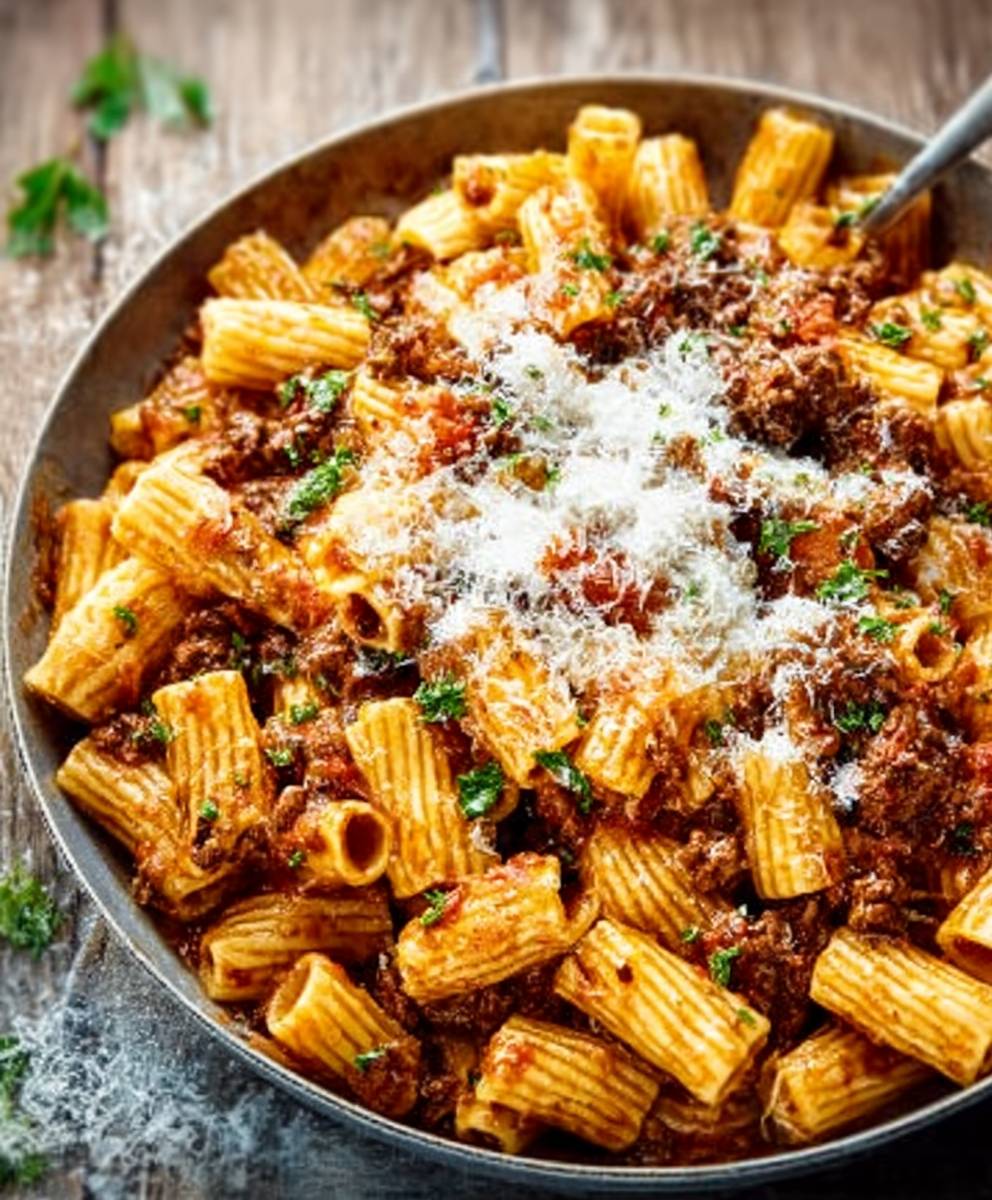
#ERROR!
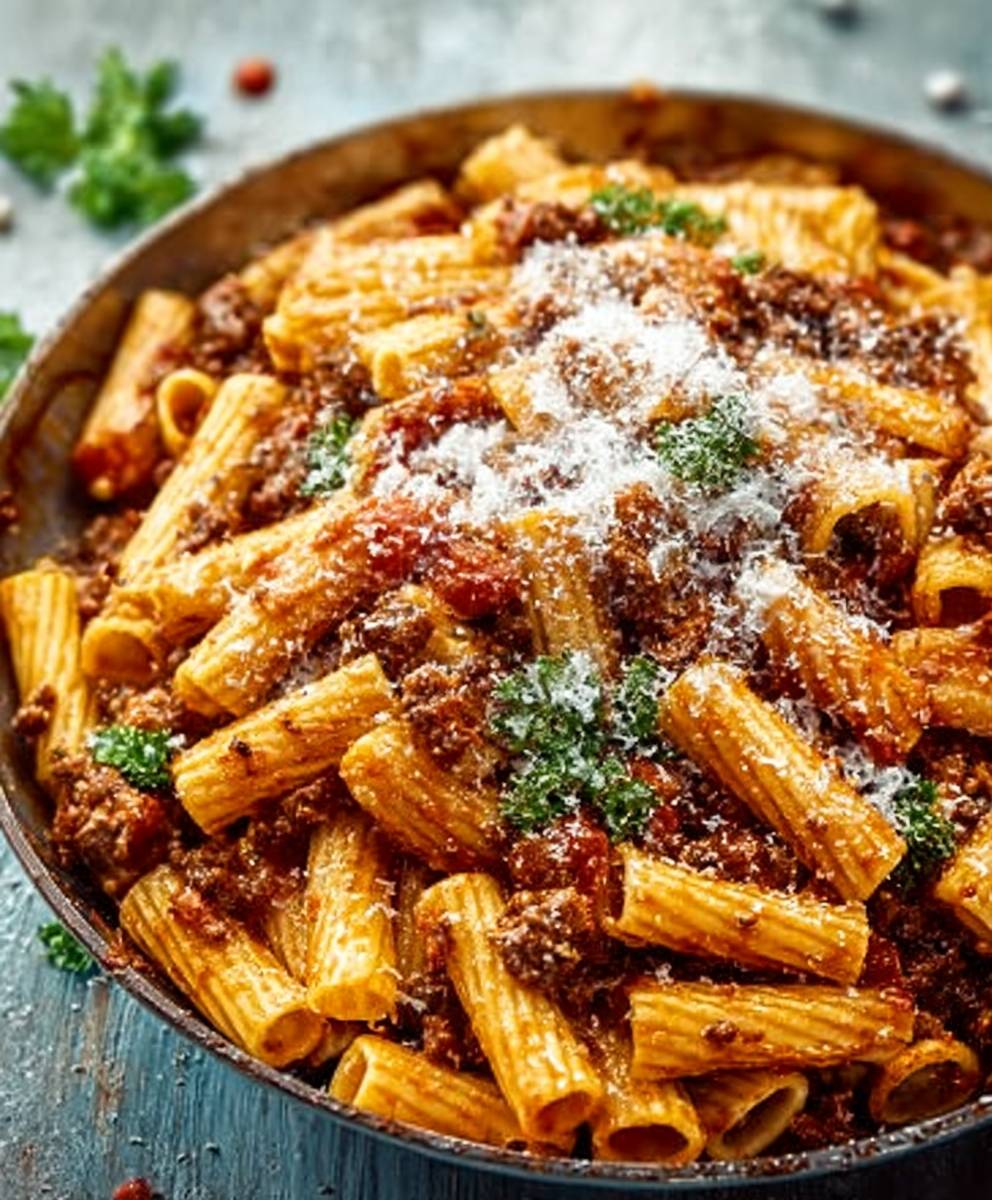
Conclusion:
If you’re looking for a dish that embodies comfort and flavor, this Beef Ragu Pasta is an absolute must-try! The rich, slow-cooked beef melds beautifully with the pasta, creating a symphony of tastes that will leave you and your loved ones craving more. The depth of flavor achieved through the combination of herbs, tomatoes, and red wine makes this recipe not just a meal, but an experience. Whether you’re preparing a cozy dinner for two or hosting a gathering with friends, this Beef Ragu Pasta is sure to impress.
For serving suggestions, I recommend pairing this hearty dish with a simple side salad dressed in a light vinaigrette to balance the richness of the ragu. A crusty loaf of garlic bread is also a fantastic addition, perfect for soaking up any leftover sauce on your plate. If you want to elevate the dish even further, consider topping it with freshly grated Parmesan cheese and a sprinkle of fresh basil or parsley for a pop of color and flavor.
As for variations, feel free to get creative! You can substitute the beef with ground turkey or chicken for a lighter option, or even try using a mix of mushrooms for a vegetarian twist. Adding a splash of cream at the end can also give the sauce a luxurious texture, making it even more indulgent. If you’re a fan of spice, a pinch of red pepper flakes can add a delightful kick to the ragu.
I wholeheartedly encourage you to try this Beef Ragu Pasta recipe and make it your own. Cooking is all about experimenting and finding what works best for your palate. Once you’ve made it, I’d love to hear about your experience! Did you stick to the original recipe, or did you add your own twist? Share your thoughts and any variations you tried in the comments below. Your feedback not only helps me improve but also inspires others in our cooking community to dive into this delicious dish.
So, gather your ingredients, roll up your sleeves, and let’s get cooking! I promise you won’t regret it. This Beef Ragu Pasta is not just a meal; it’s a celebration of flavors that brings people together. Enjoy every bite, and don’t forget to share your culinary journey with us!
Beef Ragu Pasta: A Hearty Recipe for Comfort Food Lovers
A delicious and easy-to-make dish featuring tender chicken marinated in a blend of spices, grilled to perfection, and served with a side of fresh vegetables and a zesty sauce. Perfect for a quick weeknight dinner or a weekend gathering!
Ingredients
- 500 g Mehl (Type 550)
- 10 g Salz
- 5 g Trockenhefe
- 350 ml Wasser
- 3 Zehen Knoblauch, gehackt
- 2 EL Olivenöl
Instructions
- In einer großen Schüssel Mehl, Salz und Hefe vermengen.
- Wasser hinzufügen und zu einem Teig verrühren.
- Knoblauch und Olivenöl unterrühren.
- Teig 12 Stunden ruhen lassen.
- Den Teig auf eine bemehlte Fläche geben und in die gewünschte Form bringen.
- Den Ofen auf 220 Grad Celsius vorheizen.
- Das Brot 30 Minuten backen, bis es goldbraun ist.
- Das Brot aus dem Ofen nehmen und auf einem Gitter auskühlen lassen.
Notes
- Der Teig darf während der Ruhezeit nicht bewegt werden.
- Für ein intensiveres Knoblaucharoma können mehr Zehen verwendet werden.



Leave a Comment