


The moment that smoky, sweet bulgogi aroma meets the tangy, fiery breath of fermented kimchi, you know dinner is about to become legendary. Forget everything you thought you knew about classic sandwiches; we are diving headfirst into the magnificent world of theSpicy Kimchi Bulgogi Cheesesteak: A Flavorful Fusion Recipe.
This isn’t just a meal; it’s a culinary diplomatic incident where savory meets spicy, and everyone at the dinner table wins the flavor war.
- Effortlessly prepared street-food flair, transforming common weeknight ingredients into an extraordinary dining experience in under forty minutes.
- A vibrant flavor bomb combining the savory depth of marinated beef with the irresistible crunch and heat of perfectly ripened fermented cabbage.
- Visually stunning, served molten and messy on a soft hoagie roll, promising the ultimate textural contrast between soft bread and crispy meat.
- Highly versatile, this sandwich concept allows for simple substitution of cheeses or protein, adapting easily to ingredients already waiting in your pantry.
Ingredients for Spicy Kimchi Bulgogi Cheesesteak: A Flavorful Fusion Recipe
Here’s what you’ll need to make this delicious dish:
- Thinly Sliced Beef Sirloin or RibeyeLook for paper-thin slices, often labeled as “shabu-shabu” cut, as this ensures maximum tenderness and quick cooking time.
- Soy SauceProvides the essential salty, umami backbone for the traditional bulgogi marinade, crucial for deepening the flavor of the beef.
- Brown Sugar or HoneyUsed to balance the savory sauce, it helps caramelize the beef beautifully while adding necessary sweetness.
- Sesame OilEssential for the distinct nutty, toasted aroma of Korean cooking, use high-quality toasted sesame oil for the best results.
- Garlic and GingerFreshly minced cloves and finely grated ginger add aromatic depth and spice, boosting the overall complexity of the marinade.
- Asian Pear or Apple JuiceThis secret ingredient tenderizes the beef naturally due to enzymes and adds a delicate, fruity sweetness to the marinade.
- Gochujang (Korean Chili Paste)The primary heat source for this recipe, use a moderate amount initially and adjust according to your preferred level of spiciness.
- Kimchi (Fermented Cabbage)Use well-fermented, slightly sour kimchi; drain it slightly before cooking to avoid excess liquid in the filling.
- Onions and Bell PeppersThinly sliced vegetables provide structure, textural contrast, and a mild sweetness when quickly sautéed with the meat.
- Provolone or Cheddar CheeseThese cheeses melt beautifully and offer the creamy, savory anchor required for a proper cheesesteak experience.
- Hoagie Rolls or Sub BunsSelect soft rolls that can handle a substantial amount of filling without falling apart, ideally lightly toasted before serving.
The full ingredients list, including measurements, is provided in the recipe card directly below.
How to Make Spicy Kimchi Bulgogi Cheesesteak: A Flavorful Fusion Recipe
Follow these simple steps to prepare this delicious dish:
-
Prepare the Bulgogi Marinade
In a large bowl, whisk together the soy sauce, brown sugar or honey, sesame oil, minced garlic, grated ginger, and Asian pear juice. Add the thinly sliced beef to the marinade, ensuring every piece is coated thoroughly, and let it rest for at least 30 minutes, or up to 4 hours in the refrigerator for maximum flavor penetration.
-
Sauté the Vegetables and Kimchi
Heat a wide, heavy-bottomed skillet or griddle over medium-high heat with a little neutral oil. Add the sliced onions and bell peppers and cook until they begin to soften and caramelize slightly, about 5 to 7 minutes. Push the cooked vegetables to one side of the skillet, then add the drained kimchi and cook for 2 minutes, stirring occasionally, until it slightly softens and the acidity mellows. Transfer the vegetables and kimchi mixture to a separate bowl.
-
Cook the Marinated Beef Filling
Increase the heat in the skillet to high. Add the marinated beef in a single layer, ensuring not to overcrowd the pan, which would steam the meat instead of searing it. Cook the beef rapidly for only 2 to 3 minutes, stirring constantly until it is fully browned and slightly crispy on the edges. Stir the cooked vegetables and kimchi back into the beef mixture, incorporating everything thoroughly for the cheesesteak filling.
-
Assemble and Melt the Cheesesteaks
Split the hoagie rolls lengthwise, being careful not to cut all the way through the bottom. Spoon a generous amount of the hot bulgogi and kimchi mixture into each roll. Top the meat liberally with slices of provolone or cheddar cheese. Place the assembled sandwiches briefly under a preheated broiler for 1 to 2 minutes, watching carefully until the cheese is bubbling and wonderfully melted.
Transfer the molten subs immediately to plates and serve piping hot for the perfect finishing touch of heat and savory excellence.
The Art of Fusion: Why Korean BBQ Meets Philly Style
When I first told my friends I was attempting a Spicy Kimchi Bulgogi Cheesesteak, they looked at me like I had invented a fourth dimension of breakfast. They worried it was too much: too sweet, too spicy, too complicated. They were, frankly, hilarious in their skepticism. But the truth is, this combination is simply genius. Culinary fusion often works best when two distinct flavor profiles share underlying structural similarities. The bulgogi marinade provides that deeply savory, slightly sweet base that mimics the caramelized onion and pepper sweetness traditionally found in a classic Philly cheesesteak.
Then comes the kimchi. Oh, the beautiful, spicy, tangy kimchi. Instead of relying solely on pickled peppers or ketchup for acidity and bite, the kimchi offers a complex, fermented sourness and heat that cuts through the richness of the beef and melted cheese. It provides the textural crunch needed to elevate the sandwich beyond a simple slab of meat. It’s the difference between a good sandwich and a sandwich that makes you question why you ever ate anything else. This fusion is not a gimmick; it’s an optimization. It takes the familiar comfort of a cheesy sub and injects it with an exciting, bold Korean street food flair that will leave you absolutely craving the next bite. This particular sandwich is robust, satisfying, and shockingly easy to perfect in your home kitchen, proving that the boldest flavor experiments often yield the greatest rewards.
Selecting the Ideal Beef Cut for Authentic Bulgogi Flavor
The success of theSpicy Kimchi Bulgogi Cheesesteak: A Flavorful Fusion Recipehinges almost entirely on the quality and cut of the beef. Traditional bulgogi uses very thin slices, often sirloin, tenderloin, or ribeye. If you try to use thick stew meat or a chunky cut, the marinade simply won’t penetrate properly, and the cooking time will be too long, leading to tough results. Ask your butcher to slice ribeye or sirloin against the grain into slices that are less than an eighth of an inch thick. If this isn’t possible, a great chef trick is to slightly freeze the meat for about 30 minutes before slicing it yourself. The firmness makes it much easier to achieve those paper-thin strips crucial for fast searing and maximum tenderness. When you introduce the marinated beef to the extremely hot pan, you want it to cook almost instantly, achieving those slightly charred, crispy edges without becoming dry in the middle. This rapid cooking process locks in the juicy flavor developed by the pear juice and soy marinade, ensuring that every mouthful is succulent and flavorful.
Mastering the Heat: Balancing Spice in Your Fusion Sub
One common concern when mixing bold flavors like gochujang and kimchi is overwhelming the palate with excessive heat. While “spicy” is in the name of this dish, it should still be enjoyable, not a culinary endurance test. Remember that kimchi already carries a significant level of heat and acidity, and we are also adding potent gochujang to the mix. To control the spice level effectively, start by reducing the amount of gochujang specified in the recipe by half. You can always add more later! If you prefer a milder version of this Korean BBQ sandwich, focus on using a young, freshly made kimchi, as opposed to kimchi that has been fermenting for months, which develops much greater acidity and heat. Another excellent way to balance the heat is by slightly increasing the amount of brown sugar or honey in the marinade. The sweetness helps to counteract the capsaicin burn, resulting in a more rounded, robust profile instead of a sharp sting. Don’t forget that the liberal blanket of melted cheese also serves as a glorious heat buffer, creating a creamy shield between your mouth and the vibrant spice. The goal is warmth and tang, not a five-alarm fire.
Creative Variations and Pairing Suggestions
The beauty of a fusion dish like this is its inherent flexibility. Once you have mastered the core technique of preparing the tangy, caramelized bulgogi filling, you can start experimenting with substitutions and additions to make the sandwich truly your own. For those seeking alternatives to beef, chicken thigh, cut into thin strips and marinated exactly the same way, makes a fantastic, leaner option. The chicken absorbs the marinade beautifully and stays incredibly moist during the rapid cooking process. For a completely plant-based take, try using marinated, thinly sliced seitan or even king oyster mushrooms for a meaty texture that holds up well under the intense heat and spices of the bulgogi preparation. Furthermore, while the standard provolone or cheddar offers classic cheesesteak flavor, exploring other cheeses can introduce exciting new dimensions. Try using pepper jack for an extra layer of internal spice, or smoked gouda for a rich, woodsy depth that pairs surprisingly well with the smoky sesame notes of the bulgogi. Don’t limit yourself only to the meat and cheese; consider adding a light drizzle of Kewpie mayonnaise or a quick, refreshing slaw made of shredded cucumber and rice vinegar right before serving for added complexity. This Spicy Kimchi Bulgogi Cheesesteak deserves a spotlight, whether it is for a casual Saturday lunch or a bold, flavorful dinner party centerpiece.
Alternative Cheese Melts and Toppings
While the gooey, mild flavor of provolone is traditional, adapting your cheese can dramatically change the identity of your cheesesteak. If you want maximum melt and tang, consider utilizing Swiss cheese; its sharp notes cut through the richness of the bulgogi beautifully. Alternatively, a smoked mozzarella provides a subtle, campfire-like aroma that enhances the perceived “barbecue” element of the bulgogi meat. Avoid overly crumbly or highly aged hard cheeses, as they won’t provide the necessary molten texture that defines a classic cheesesteak experience. Beyond the cheese, additional toppings can elevate this fusion meal further. Consider adding caramelized onions that haven’t been mixed into the kimchi—their pure sweetness offers a lovely counterpoint. Some enthusiasts even enjoy a sprinkling of fresh chopped cilantro or green onions right before serving for a fresh, herbaceous finish. Remember, the core flavor is built on theSpicy Kimchi Bulgogi Cheesesteak: A Flavorful Fusion Recipe, but the final touches are entirely up to your personal taste adventure.
Frequently Asked Questions About Korean Fusion Cooking
We’ve gathered the most common questions about making this unique fusion recipe to ensure your cooking experience is successful and delicious.
Do I need a special grill or griddle to make bulgogi?
No, you definitely do not need a special Korean BBQ grill. A standard cast iron skillet, wok, or heavy non-stick frying pan works perfectly well, provided you get the surface very hot before adding the beef to ensure a quick sear.
Can I prepare the bulgogi filling ahead of time?
You can certainly prepare the marinade and marinate the beef up to 24 hours in advance in the refrigerator. However, it is best to cook the beef and assemble the sandwiches right before serving to maintain the best temperature and textural integrity of the roll.
What if my kimchi is too spicy or sour?
If your kimchi is overly spicy or sour, rinse it lightly under cold water before using it, which helps to remove excess residual spice and mellow the fermentation tang. You can also mix in a teaspoon of sugar while sautéing it to balance the flavor.
Is there a good substitute for Asian pear juice in the marinade?
Yes, if Asian pear juice is unavailable, you can substitute it with highly concentrated apple juice or even a small amount of finely grated kiwi mixed into the marinade. Kiwi contains similar enzymes that help tenderize the beef effectively.
How do I keep the bread from getting soggy?
To prevent a soggy sandwich, lightly toast the interior of your hoagie rolls before filling them. Additionally, ensure you drain any excess liquid from the beef and kimchi mixture before piling it onto the bread.
The culinary world is often too polite. We spend years keeping traditions separate, respecting borders, and maintaining classical standards. But sometimes, you need a glorious, flavor-packed riot. You need a dish that shouldn’t work but absolutely, miraculously does. I’m talking about the legendary combination that resulted from a late-night kitchen experiment, fueled by a craving for cheesy comfort and the aggressive tang of fermented cabbage: the ultimate fusion sandwich.
Forget everything you thought you knew about traditional Philadelphia street food or the gentle sweetness of Korean barbecue. We are marrying the savory, thinly sliced ribeye marinated in classic bulgogi sauce with the spicy, crunchy funk of kimchi, all smothered under a blanket of melty cheese on a toasted hoagie roll. This isn’t just a sandwich; it’s an experience. It’s the delicious, messy proof that opposing flavors are often soulmates just waiting to meet.
The Culinary Clash of Champions
When I first described this creation to friends—the concept of aSpicy Kimchi Bulgogi Cheesesteak: A Flavorful Fusion Recipe—I was met with skepticism. “Kimchi on a cheesesteak? Are you mad?” they asked. Perhaps. But culinary madness sometimes breeds genius. The traditional cheesesteak relies heavily on texture and fat, while bulgogi offers deep umami and sweetness. The kimchi introduces necessary acidity and heat, cutting through the richness perfectly.
The secret is balance. We treat the bulgogi meat exactly as we would for a perfect Korean barbecue, ensuring it’s thinly sliced and caramelized. We then incorporate the kimchi, heating it just enough to release its pungent oils without sacrificing its structural crunch. Finally, the cheese acts as the ultimate diplomat, binding the fiery spice of the kimchi and the robust flavor of the beef into one cohesive, irresistible unit.
Ingredients You Need for This Epic Sandwich
To embark on this epic culinary journey, precision in ingredients is key. Start with high-quality beef and fresh rolls—soggy bread is a crime against sandwiches.
- The Meat:1.5 lbs thinly sliced ribeye or sirloin steak (shaved or sliced against the grain).
- Bulgogi Marinade Essentials:
- 1/3 cup soy sauce (low sodium preferred)
- 2 tablespoons brown sugar
- 1 tablespoon sesame oil
- 1 small Asian pear, grated (or 3 tablespoons pear juice, for tenderizing)
- 2 teaspoons fresh ginger, minced
- 4 cloves garlic, minced
- 1 teaspoon black pepper
- The Kimchi Factor:1.5 cups prepared kimchi, drained, reserving a splash of the brine.
- The Assembly:
- 4 quality hoagie rolls (or French bread), split
- 1 large yellow onion, thinly sliced
- 2 tablespoons vegetable oil (for cooking)
- 8 slices provolone or American cheese (or 1 cup cheese sauce)
Step-by-Step Assembly: Building the Beast
Patience is a virtue, especially when marinating. Don’t rush this step; it’s where 80% of your flavor develops. Aim for a minimum of one hour, but four hours is optimal for maximizing the depth of the bulgogi flavor profile.
Marinate the Beef
In a medium bowl, whisk together all the bulgogi marinade ingredients (soy sauce, brown sugar, sesame oil, grated pear, ginger, garlic, and pepper). Add the thinly sliced beef and toss thoroughly until every piece is coated. Cover the bowl and refrigerate. While the beef is soaking up that delicious marinade, you can handle the remaining prep work, like slicing the onions and preparing your cooking station.
Prepare the Kimchi and Onions
Heat one tablespoon of vegetable oil in a large skillet or griddle over medium heat. Add the sliced yellow onion and cook, stirring occasionally, until softened and deeply caramelized—about 10 to 12 minutes. Remove the onions and set them aside. Next, add the drained kimchi to the same skillet. Sauté the kimchi for 3 to 4 minutes until it warms through and its pungent aroma fills your kitchen. Remove the kimchi and reserve.
Searing the Bulgogi
Increase the skillet heat to medium-high. Add the remaining oil. Remove the beef from the marinade, shaking off any excess liquid, and place it in the hot skillet. Do not overcrowd the pan; you must work in batches to ensure the meat sears quickly rather than steams. Cook each batch for only 2 to 3 minutes, stirring constantly until the beef is fully cooked and slightly crispy around the edges. This rapid, high-heat cooking is crucial for tender bulgogi.
The Melt and the Merge
Once all the beef is cooked, return the entire mixture to the skillet. Reduce the heat to low. Stir in the sautéed kimchi and the caramelized onions. Mix everything gently to combine the fiery kimchi with the sweet bulgogi. Now, place your cheese slices directly on top of the meat and vegetable mixture. Cover the skillet for 30 to 60 seconds until the cheese is perfectly melted and gooey, ready to be scraped up and stuffed.
Final Assembly of the Spicy Kimchi Bulgogi Cheesesteak: A Flavorful Fusion Recipe
While the cheese is melting, lightly toast your hoagie rolls. You can toast them cut-side down in a dry skillet or under the broiler for a minute. This creates a barrier against the moisture of the filling. Generously fill each toasted roll with the cheesy, meaty, kimchi mixture. Serve immediately, preferably with extra napkins, because this beautiful beast is going to be messy.
Perfecting the Cooking Process
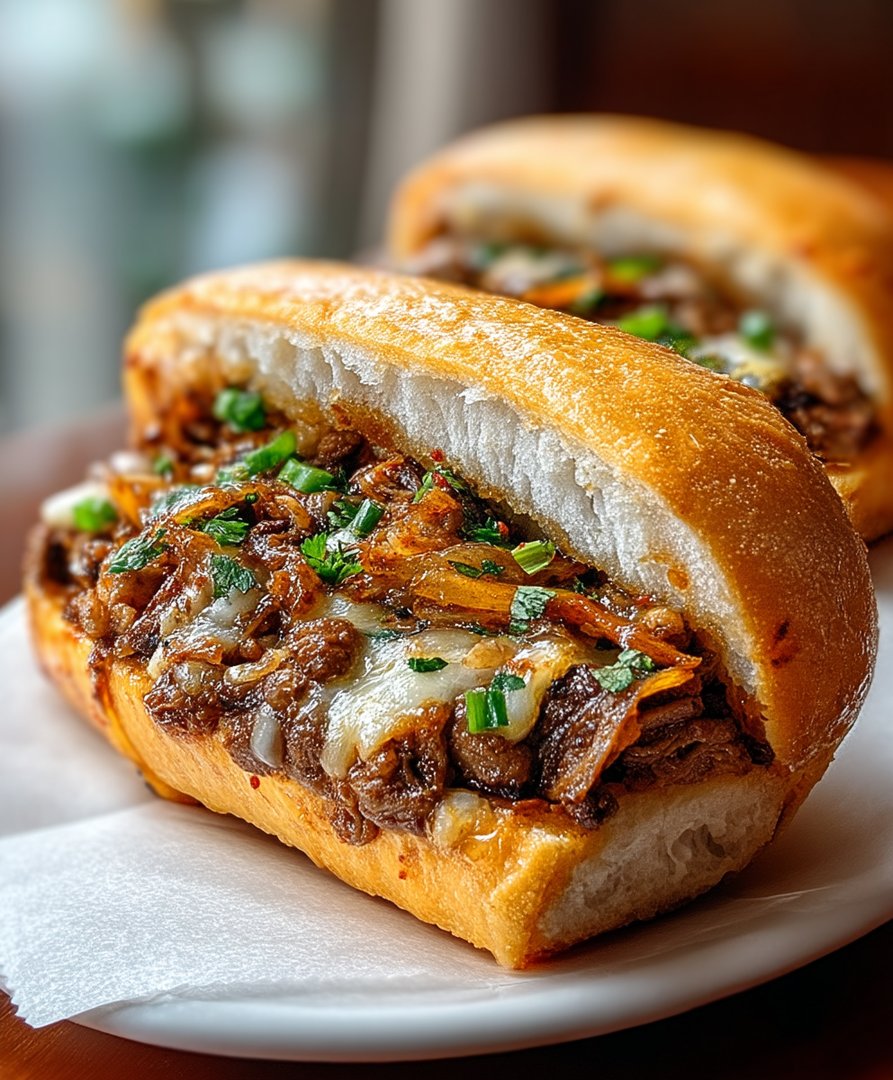
Start by marinating the beef for at least an hour to maximize flavor absorption. Sear the marinated beef quickly in a hot skillet until caramelized. Cook the kimchi separately to retain its crunch and then melt the cheese directly onto the beef before stuffing the rolls. (49 words)
Add Your Touch
Try swapping the provolone for a sharp pepper jack if you crave more heat, or use aged cheddar for depth. For a leaner option, thinly sliced turkey breast works surprisingly well. Add grilled onions or sautéed mushrooms for extra Philly authenticity, or sprinkle with toasted sesame seeds before serving. (50 words)
Storing & Reheating
Store any leftover bulgogi mixture and kimchi separately in airtight containers in the refrigerator for up to three days. Never store the mixture directly inside the bread. Reheat the meat and kimchi in a skillet before serving on a freshly toasted roll, ensuring the mixture is heated through evenly. (49 words)
The first time I served this fusion dish, my uncle, a notoriously stubborn traditionalist, devoured three sandwiches and declared it the best thing to ever happen to bread and beef.
Expert Chef Tips for Fusion Mastery
- Slice the beef while it’s slightly frozen; this ensures ultra-thin, manageable strips that cook evenly and quickly for that classic cheesesteak texture.
- Do not overcrowd the pan when searing the bulgogi. Cook the meat in batches to achieve a proper sear rather than steaming it, which is essential for flavor.
- Always toast your hoagie rolls before filling them. A lightly crunchy exterior prevents the bread from becoming soggy and provides crucial structural integrity.
Frequently Asked Questions About This Fusion Recipe
Tackling a complex fusion dish like this sometimes raises questions, especially concerning ingredient substitutions and heat management. Here are the most common inquiries I receive about this incredible Kimchi Cheesesteak.
What kind of kimchi should I use for this recipe?
You should use traditional napa cabbage kimchi (Baechu Kimchi). Ensure it is slightly aged, as the sourness and depth of flavor are crucial for balancing the sweetness of the bulgogi marinade. If you prefer a milder flavor, rinse the kimchi lightly before cooking.
Can I prepare the bulgogi marinade ahead of time?
Absolutely, and I highly recommend it! You can marinate the beef for up to 24 hours in advance. Longer marination periods tenderize the beef further, thanks to the enzymes in the pear juice, and deepen the overall flavor profile of your bulgogi sandwich.
What if I don’t like spicy food? Can I still make this fusion sandwich?
Yes, you can modify the heat easily. Look for a mild or white (baek) kimchi, which offers the fermented tang without the strong chili spice. You can also adjust the amount of kimchi used, focusing more on the pickled cabbage texture and less on the heat intensity.
How do I get the perfect “whiz” cheese texture without using commercial cheese sauce?
If you prefer a velvety cheese sauce over sliced cheese, melt a combination of sharp cheddar and provolone with a tablespoon of evaporated milk and a pinch of cornstarch over low heat. Stir continuously until smooth and pourable, then drizzle it over the meat filling for an authentic melt.
Are there other meats I can use instead of ribeye steak?
While ribeye offers the best fat content and flavor, you can certainly use thinly sliced skirt steak, flank steak, or even ground beef (though the texture will be less traditional). For a poultry alternative, thinly sliced chicken breast or turkey tenderloin works well but requires a slightly shorter cooking time.
Why This Fusion Masterpiece is Worth the Effort
This is more than just dinner; it’s a statement. It’s a testament to the fact that great food ideas transcend cultural boundaries and that sometimes, two seemingly disparate cuisines can create something far more compelling than they could alone. The combination of sweet, savory, sour, and intensely spicy elements in theSpicy Kimchi Bulgogi Cheesesteak: A Flavorful Fusion Recipehits all the taste buds simultaneously, resulting in a dish that will have your friends and family demanding the recipe.
Embrace the chaos, enjoy the richness, and definitely don’t skimp on the napkins. This sandwich is robust, savory, and perfectly acidic, guaranteeing you a hearty, satisfying meal every time. Stop settling for boring standards and dive headfirst into this truly unforgettable bulgogi sandwich experience.
Conclusion for Spicy Kimchi Bulgogi Cheesesteak: A Flavorful Fusion Recipe
TheSpicy Kimchi Bulgogi Cheesesteak: A Flavorful Fusion Recipetruly proves that culinary borders are meant to be deliciously crossed. We’ve taken the best elements of savory Korean street food—the sweet, marinated bulgogi and the vibrant spice of fermented kimchi—and married them flawlessly with the iconic comfort of the American cheesesteak. This recipe delivers a satisfying crunch from the toasted roll, a rich depth from the melted cheese, and a fiery kick that will awaken your palate. Whether you are hosting a game night or simply seeking an adventurous weeknight meal, this fusion sandwich is a guaranteed showstopper that transforms the ordinary lunch into an extraordinary experience.
Print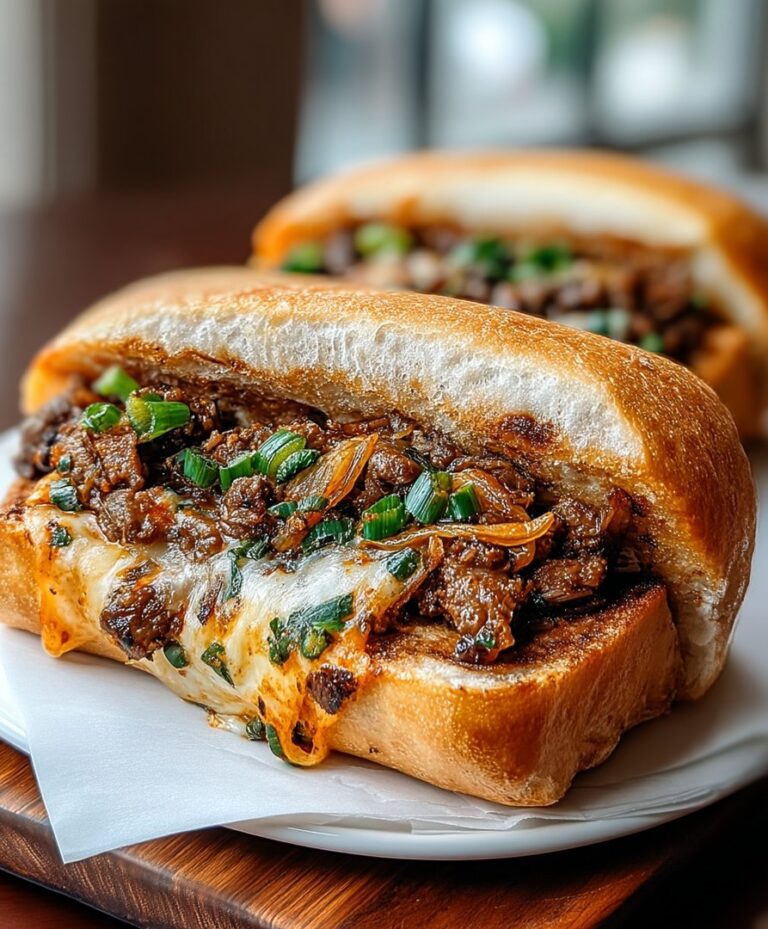
Spicy Kimchi Bulgogi Cheesesteak: A Flavorful Fusion Recipe
Gochujang-spiced ribeye meets tangy, sautéed kimchi in this explosive fusion cheesesteak. Learn the simple two-step process: marinate, then sauté.
- Total Time: 35 minutes
- Yield: 4 servings 1x
Ingredients
- 1 lb thinly sliced ribeye steak (or sirloin)
- 1/4 cup low-sodium soy sauce
- 2 tbsp gochujang (Korean chili paste)
- 1 tbsp toasted sesame oil
- 1 cup well-drained, chopped kimchi
- 6 slices provolone cheese (or cheese whiz)
- 4 large hoagie rolls, split
- 1 tbsp neutral cooking oil (like canola or vegetable)
Instructions
- Step 1: Prepare the Bulgogi Marinade
- Step 2: Sauté the Kimchi
- Step 3: Cook the Bulgogi Steak
- Step 4: Melt the Cheese and Combine
- Step 5: Assemble and Serve
Notes
- For maximum freshness, store any leftover bulgogi and kimchi filling separately in an airtight container for up to three days, only assembling the final sandwich right before you plan to eat.
- Reheat the filling in a skillet over medium heat until sizzling hot, then melt fresh cheese on top during the last minute; toasting your hoagie rolls simultaneously ensures the result is almost as good as fresh.
- Elevate the fusion experience by serving these cheesesteaks alongside a small container of crunchy, pickled daikon radish (mu-saengchae) or with a light drizzle of Kewpie mayonnaise mixed with a touch of sriracha.
- A crucial chef's tip for avoiding a watery sandwich is ensuring your kimchi is extremely well-drained before chopping and sautéing; excess liquid is the enemy of a perfectly integrated filling.
- Prep Time: 15 minutes
- Cook Time: 20 minutes
- Method: Stovetop
- Cuisine: American
Nutrition
- Serving Size: 1 Spicy Kimchi Bulgogi Cheesesteak Sandwich
- Calories: 845
- Sodium: 1650mg
- Fat: 40g
- Saturated Fat: 15g
- Trans Fat: 0.5g
- Protein: 10g
FAQs
What type of beef provides the best results for a truly authentic fusion cheesesteak?
We recommend using thinly sliced ribeye or sirloin for maximum flavor and tenderness. The key is how thin you slice it—ideally, it should be almost shaved, similar to traditional Philly cheesesteak meat. Freezing the beef for about 30 minutes before slicing helps achieve this ultra-thin texture necessary for quickly soaking up the savory-sweet bulgogi marinade. This method ensures that the meat cooks quickly on the griddle and maintains that juicy, caramelized edge which is essential when combining the flavors of Korean barbecue and classic American sandwich perfection. Choosing quality meat dramatically impacts the final outcome of the sandwich experience.
Can I prepare the bulgogi meat ahead of time for this Spicy Kimchi Bulgogi Cheesesteak: A Flavorful Fusion Recipe?
Absolutely! Preparing the marinated bulgogi beef in advance is a fantastic time-saving strategy, especially when hosting a gathering. Marinate the thinly sliced meat for at least four hours, but overnight yields the best depth of flavor. Store the marinated meat tightly sealed in the refrigerator. When you are ready to cook, simply toss it onto a hot griddle or cast-iron skillet. We suggest cooking only what you plan to eat immediately, as the texture of the meat is best fresh. However, if you have leftovers, they make an incredible base for rice bowls or spicy bulgogi tacos the next day, maximizing your preparation effort.
What is the best way to choose the kimchi and manage the spice level for this fusion sandwich?
The type of kimchi you choose significantly dictates the flavor profile and spice level of your sandwich. For those who enjoy intense heat, select a freshly fermented, fiery napa cabbage kimchi. If you prefer a milder flavor, look for older, more sour kimchi, which tends to mellow slightly when heated. To truly manage the heat in yourSpicy Kimchi Bulgogi Cheesesteak: A Flavorful Fusion Recipe, drain the kimchi liquid thoroughly before mixing it with the bulgogi. If the mixture is still too intense, you can quickly sauté the kimchi with a teaspoon of sugar to slightly neutralize the chili paste, allowing the savory, complex flavors to shine through.
What are some good substitutes for the traditional cheese used in the Spicy Kimchi Bulgogi Cheesesteak?
While classic cheesesteaks often feature Provolone or American cheese, the beauty of the fusion approach allows for great flexibility. If you are seeking that sharp, salty bite, aged cheddar or smoked Gouda can provide a delightful contrast to the sweet and spicy bulgogi. For a creamier, meltier texture that encapsulates the meat and kimchi perfectly, try Monterey Jack. Remember that the cheese acts as a vital bridge between the sourness of the kimchi and the richness of the beef marinade. Whatever you choose, ensure it melts smoothly, creating that desirable, gooey texture that defines an excellent cheesesteak experience.

Leave a Comment